There are composers, and there are performers; there are even people who happen to be both. But I would add another category, one that stands apart from the two and yet belongs to each of them at the same time: listeners.
Listeners are artists for whom listening is the primary tool, to the point of turning it into a sonic act in its own right.
KMRU is undoubtedly one of the most compelling contemporary practitioners of this approach. Born in Nairobi and now based in Berlin, the artist has built a career around deep listening: his own, and that of those who encounter his music. His albums are dense, cinematic ambient works made of layers of sound woven into tight, organic and captivating textures.
Field recording often plays a fundamental role in KMRU’s practice.
This is also where his new work, “Near Silence”, comes in — a project produced and curated by ALMARE. At the heart of “Near Silence” are the so-called quiet areas: territories characterised by low levels of anthropogenic noise. Through these places, the project explores sound as an indicator of the health of ecosystems, noise as a form of pollution, and, conversely, silence as a commons to be protected — a condition that makes listening possible, and allows for a relationship between the human world and the more-than-human.
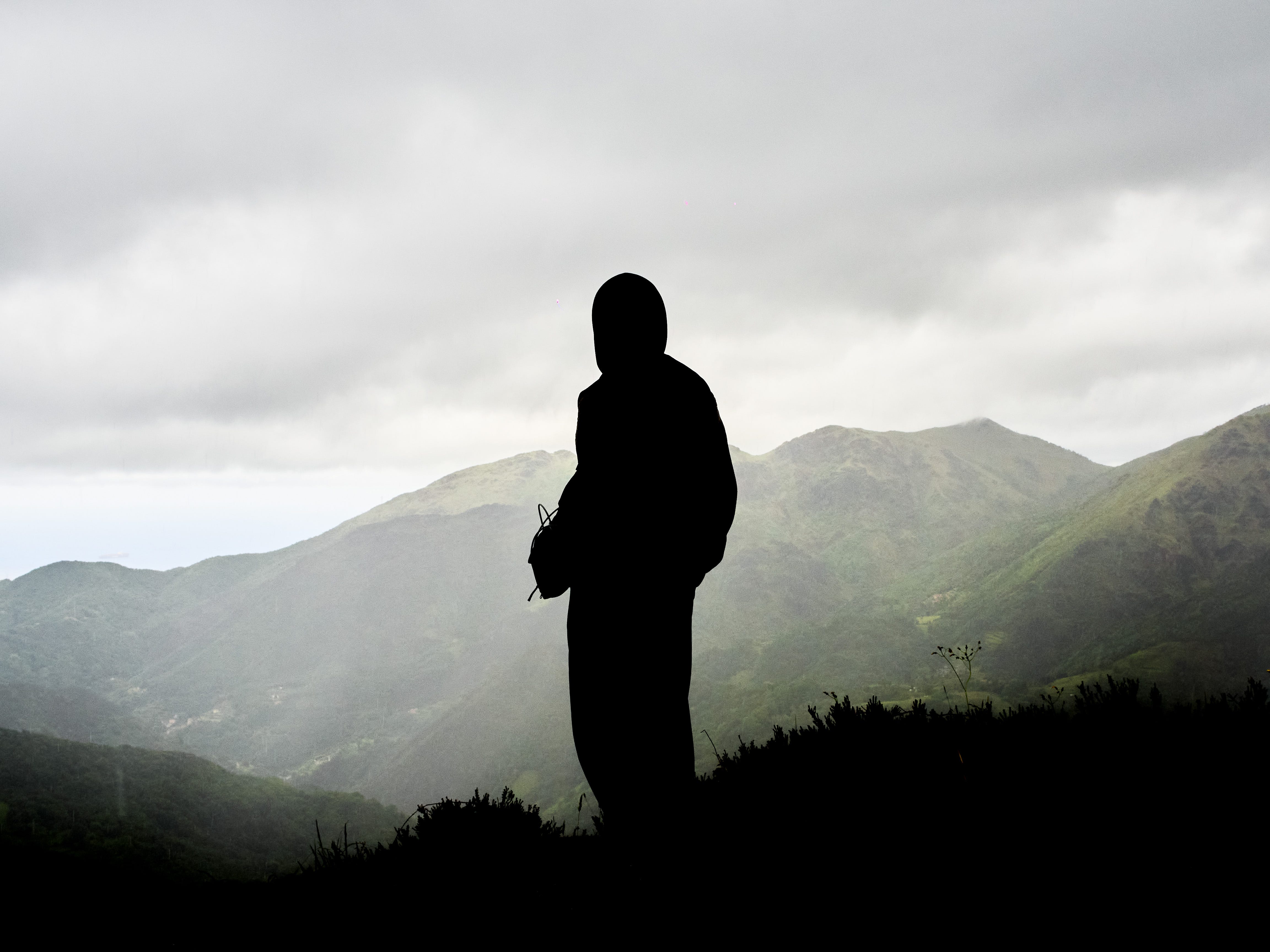
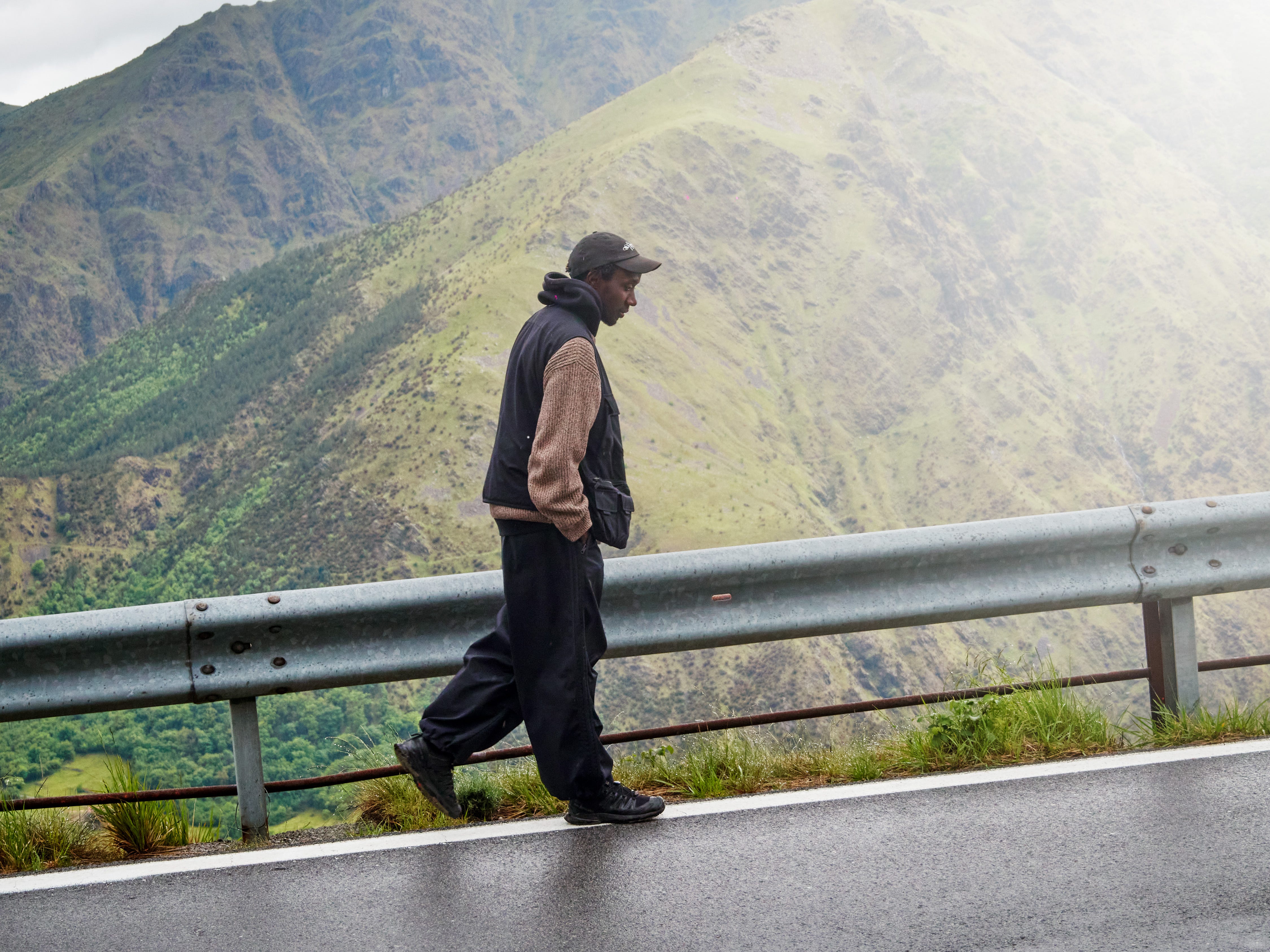
The project brought KMRU and Kenyan filmmaker Fred Odede to a residency in Liguria’s Beigua Natural Park. The two worked together to create an audiovisual piece that is now ready to be discovered. We will have the chance to do so during the second edition of Spellbound, the distributed festival conceived by ALMARE.
The project will take the form of an audiovisual work activated live by KMRU on Saturday, September 26 at Turin’s Orto Botanico, while at Magazzino sul Po later that night we’ll have live performances by Sealionwoman and Takkak Takkak, alongside DJ sets by Jokkoo and Pho Bo Collective. The work will then remain accessible as an installation the following day, in the spaces of the Botanical Garden of the University of Turin.
I reached out to KMRU by email to ask him a few questions about his artistic practice and the development of “Near Silence”.
I wanted to ask you about the first sound you can remember getting your attention. Not necessarily in a musical sense, but something that struck you and made you curious about sound, its meaning and its power, and eventually led you towards music.
I think being surrounded by music from an early age had a lot to do with it. There were always cassettes of my grandfather playing in the house, and I remember listening to the radio at night. I also remember having an MP3 player with just a few songs on it, and that got me deeply into appreciating sound on its own and how it made me feel. There was something special about playing music loudly through home speakers, and listening to music loudly on public buses (matatus) in Nairobi… Everything just fell into place when I realized you could make sounds on a computer!
What music were you listening to at the time?
It was mostly hip-hop, rap music, Benga, and local hits from Kenya.
From there, how did you start developing your musical practice?
It was all trial and error: learning with friends, making beats, sampling and transcribing songs, field recording, watching YouTube tutorials, reading manuals… workshopping and doing it all over again.
What role does music discovery play in your practice compared to dissecting the things you already know and love? What I mean is: do you find more inspiration in being surprised and taken somewhere unexpected by new sounds, or in studying the music you already love in depth and discovering new details within it?
Yes, I love being curious and being surprised, or reconfiguring my ways of working. I definitely find inspiration this way. I’m always honing in on instruments, software, tools, or just noodling around with things I already know or don’t know and pushing them to their limits… Having fun is key.
Do you have a favourite instrument, piece of software or tool right now?
I’m using lots of open-source software and tools: Ppooll, VCV Rack, and Chase Bliss pedals.
What is an album, a track or a producer that completely shocked you and changed the way you approach making music and why?
Aho Ssan! His sensibility towards sound is beyond the conventional.
I’m also very interested in your approach to field recording. Could you walk us through it?
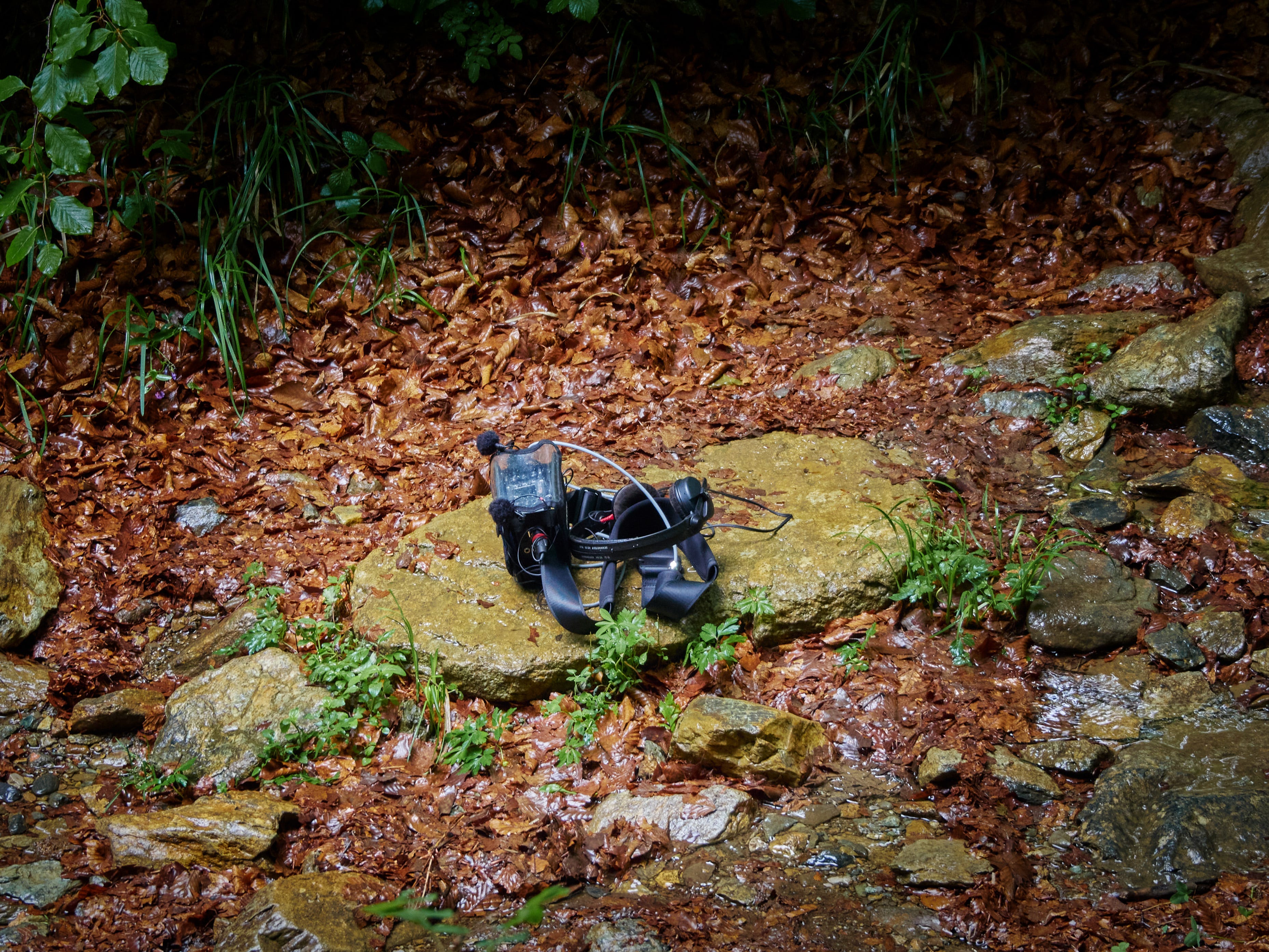
It always feels intuitive when I’m outside recording or listening. I’m not always capturing per se, as sound is always moving or happening. I think it all starts with what I’m really listening for. For some works, it’s very specific, and it also depends on the microphone I decide to bring. For example, with the “Near Silence” project, I was recording more with close mics, listening to subtlety and space, and also experimenting with geophones, hydrophones, EM mics, etc. It’s composing with the sounds outside.
How did this approach translate into the work you did for Almare during your residency at Parco del Beigua in Liguria?
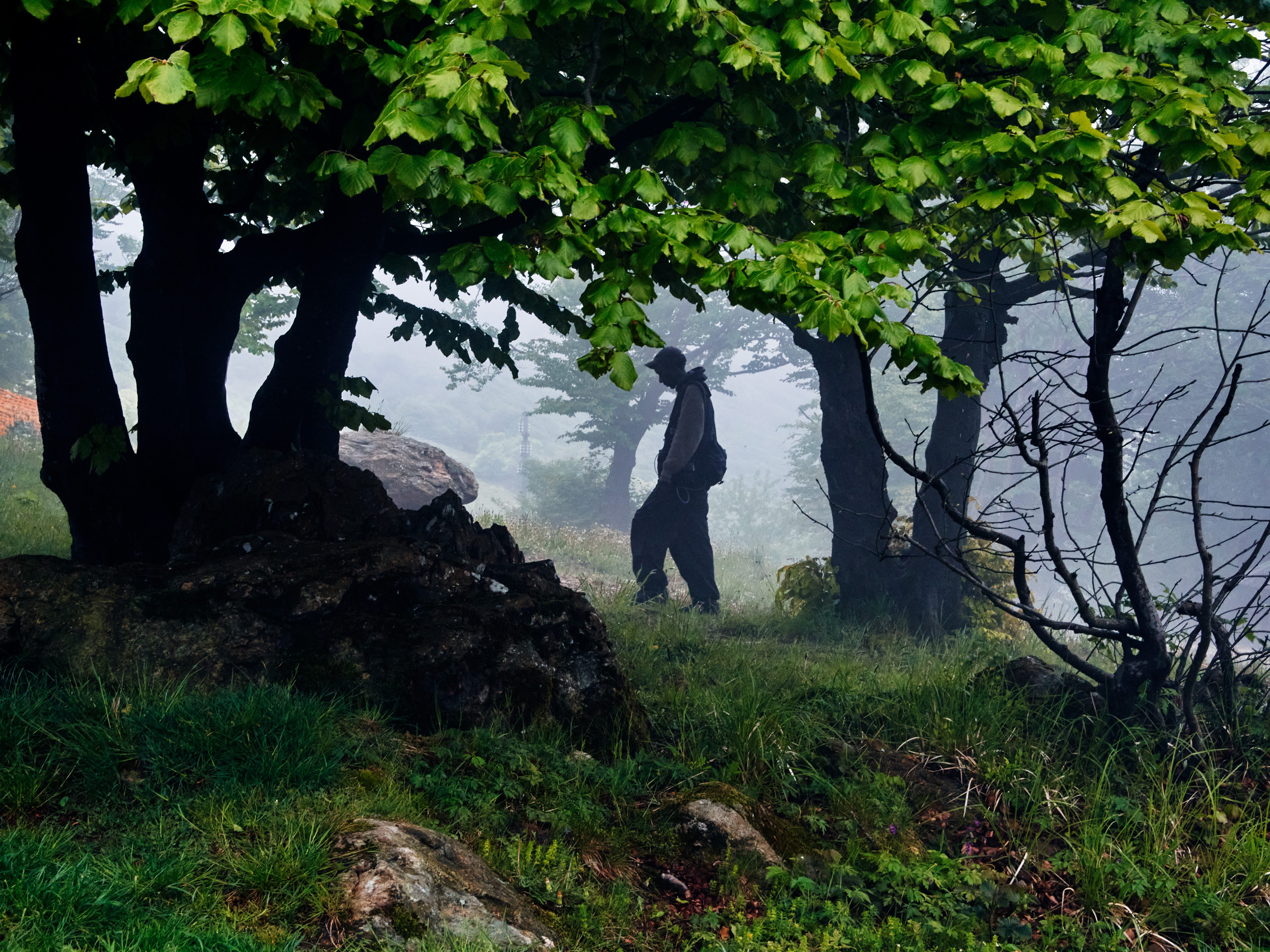
Nothing much different from how I record or listen. There was just a focus on quietness for this project. It was interesting recording spaces that are quiet, with less sound, but then the layer opens up when working with multiple microphones or listening differently to these places. The collaboration with Odede also played a role in this project, thinking visually together.
If I’m not mistaken, you’re no stranger to this kind of residency. I’m curious to know what was different this time around?
I think having Odede around during the process made it special for this one, as I wanted to have a visual element in the project from the beginning, and collaborating with him made it more fulfilling.
What was peculiar about the sounds of this rural area of Italy, and what did the experience add to your musical baggage and to the way you work?
The quietness of the sounds and what emerges from these recordings. Being in nature a lot changes how I think about sounds, and I was quite curious about what the piece would become, as most of the recordings were subtle, or quieter than my usual field recordings. It was exciting to work on the piece with those sounds, though. Quite smooth, I must say.
As you mentioned you worked alongside another Nairobi-born artist, videomaker Fred Odede. What was your relationship like, and how did your respective practices interact during the residency?
We had briefly collaborated in Nairobi, and I was always inspired by Fred’s way of seeing and looking. It was quite conversational, sometimes in silence, but I was sharing ideas, references and sounds with him throughout the process… I think once I sent him the full piece of “Near Silence”, it all became very organic. I also wanted him to create something from his reflections on the residency and the conversations and experiences we shared during it.
And finally, a question about Nairobi. You were born there, but you’ve been based in Berlin for some time now. Since your music draws so much from the sounds of the places you inhabit, I’m curious about your relationship with your birthplace today. Do the sounds of Nairobi remain as a kind of ever-present memory in the background, somehow becoming the canvas on which you build and layer every new stimulus? Or do they come back in a more visceral way — almost as a sonic vertigo, something that periodically tears through the present and brings you back there?
I still have a strong connection with Nairobi, its sounds, and my sound people there. I’m grateful that I can visit home many times during the year, and there’s a sense of grounding I get when I’m back home. Even when making music from my bedroom, it always feels natural. I still carry its sounds with me. It’s all inherent, and I was sonically cultured there — always carrying and listening from this place.